A chilling video has emerged from Sinaloa, exposing a brutal faction war within Mexico’s infamous Sinaloa cartel. Los Chapitos’ young sicario taunts rivals loyal to El Mayo Zambada over decaying corpses, signaling a savage internal collapse amid escalating violence, US crackdowns, and shifting cartel alliances 𝓉𝒽𝓇𝑒𝒶𝓉𝑒𝓃𝒾𝓃𝑔 regional stability.

A disturbing new video captured in Elwalamo, Sinaloa, marks a terrifying escalation in Mexico’s cartel wars. A young hitman aligned with Los Chapitos, masked and unflinching, stands laughing over decomposed bodies, openly mocking loyalists of Ismael “El Mayo” Zambada. This act of psychological warfare broadcasts dominance and brutal intent.
What once would have been dismissed as violent folklore is now horrifyingly real and documented. This faction inside the Sinaloa cartel isn’t just battling rivals—they’re waging an internal war amplified by social media, with gruesome executions streamed as propaganda to spread fear rapidly.
This conflict reflects a profound fracture after Joaquin “El Chapo” Guzman’s sons—Los Chapitos—have turned against their father’s old guard, El Mayo’s faction. The crackdown by US federal authorities, detaining key figures since 2023, has left power vacuums fueling bloodshed and factional desperation.
Los Chapitos’ hitmen like JRo, recruited as young as their 20s and influenced by the allure of cartel glamour, now wield violence as a public spectacle. Their videos feature overt weapons, luxury, and brutal taunts, signaling a new era of cartel warfare where image and terror combine in a ruthless display.
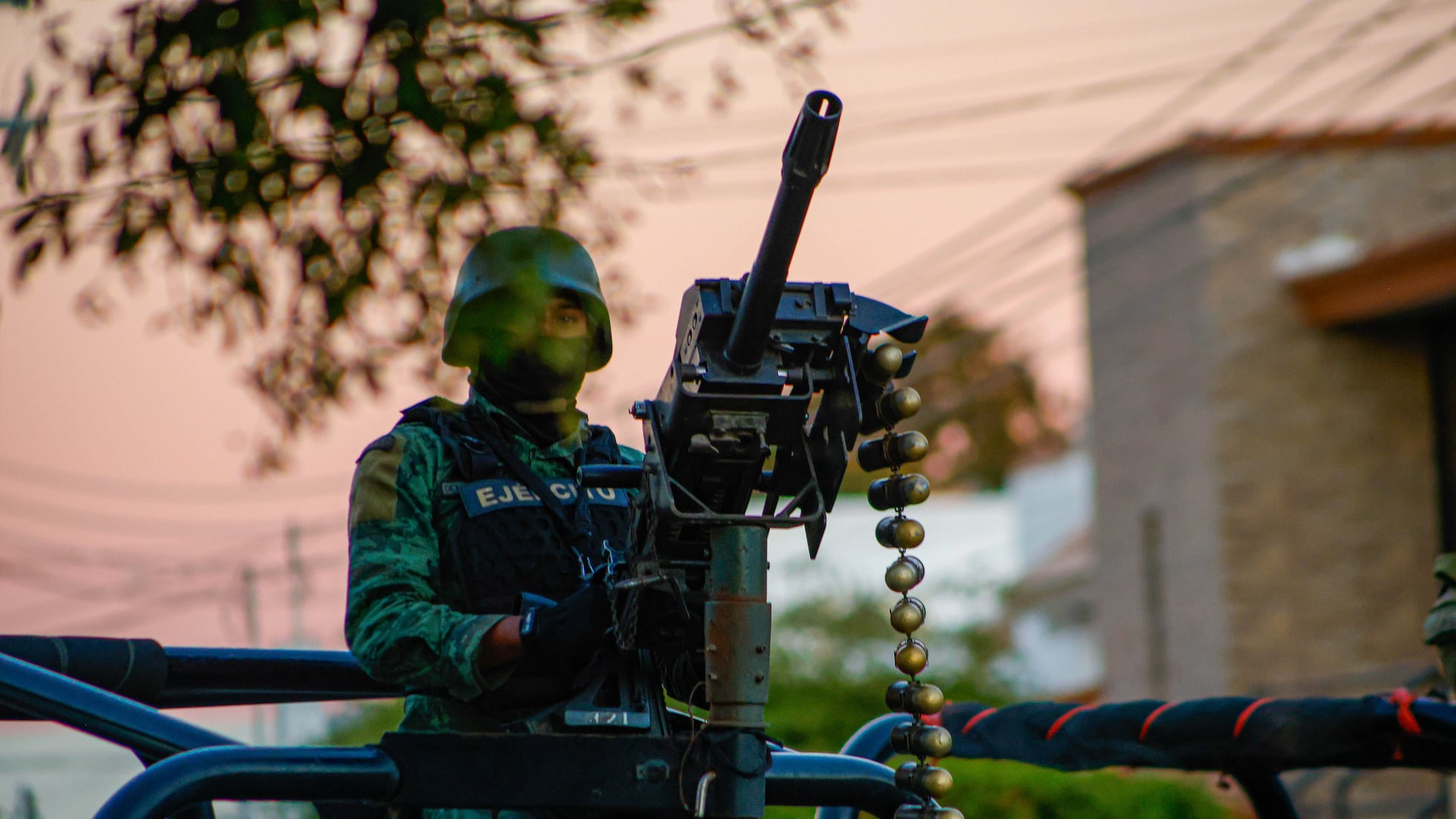
The harrowing clip from September 21 shows six men forced to confess on camera before execution, a cold and calculated message not only to rivals but also to the US government, directly challenging President Trump’s intensified crackdown efforts, signaling ongoing cartel resilience despite military pressure.
Since El Chapo’s capture and extradition, traditional alliances have crumbled. The once-unified Sinaloa cartel is now split between Los Chapitos and the loyalist faction loyal to El Mayo, resulting in relentless firefights, convoy bombings, and executions across key territories including Mazatlán and beyond.
Locals describe a region transformed into a war zone—gunfire erupts daily, whole villages evacuate after nights filled with explosions, and families are forced to hide or flee. This civil war is spilling violence onto previously stable paths, completely upending the security fabric in northern Mexico.
The conflict’s stakes have grown to encompass more than just territory or narcotics. Key cartel factions are expanding operations to illegal oil theft, extortion of mining companies, and controlling lucrative smuggling corridors. An unprecedented alliance is emerging between Los Chapitos and the rival Jalisco New Generation cartel (CJNG).
Once enemies with bitter histories, CJNG and Los Chapitos now cooperate strategically to consolidate control and resources. This alliance shifts cartel dynamics dramatically, allowing shared territories and mutual support, intensifying the scale of violence and complicating law enforcement efforts across Mexico’s western coast and border.
Meanwhile, El Mayo’s faction has formed ties with armed paramilitary groups, including the feared Cartel del Noroeste (CDN), bringing disciplined urban warfare specialists into the fray. These elite sicarios use drones, car bombs, and kidnappings, signaling a militarization of the conflict unseen in previous cartel wars.
The violence is spiraling across multiple states—Durango, Culiacán, Mazatlán—with daily killings, drone attacks, and bombings making life untenable for ordinary residents. With municipal governments infiltrated or powerless, civilians bear the brunt of relentless cartel battles, fleeing towns that once thrived on agriculture and trade.
At the same time, US efforts to contain the cartels have backfired in unforeseen ways. Trump’s administration deployed military strikes and labeled CJNG and Sinaloa as terrorist organizations, granting new operational latitude for cross-border actions. While disrupting shipments, these measures scattered cartel operations, fueling newfound alliances.
The cartels’ reaction to increased US pressure is a deadly game of adaptation and escalation. Terrorism-style tactics, use of social media for propaganda, and fractured loyalties have created a volatile environment. Every US strike seems to provoke merciless revenge, splintering old cartel structures and producing more violent offspring factions.
The headline September execution video serves both as a gruesome warning to rivals and a blunt retort to the US government. Chapitos flaunt power in defiance of President Trump’s military crackdowns, releasing interrogation footage and displaying barbarity that challenges US narratives of progress and control in the 𝒹𝓇𝓊𝑔 war.
DEA intelligence reveals the cartels are no longer just 𝒹𝓇𝓊𝑔 traffickers but so phisticated criminal enterprises moving into oil theft, crypto laundering, and global trafficking networks. The combined strength of CJNG and Los Chapitos, with annual revenues estimated at $30 billion, poses a strategic threat overwhelming existing law enforcement capabilities.
For Mexicans 𝒄𝒂𝓊𝓰𝒉𝓉 in the chaos, this conflict is a daily nightmare. Schools are shuttering, towns becoming ghost zones, and thousands displaced by relentless violence. Streets that once bustled with life now echo with silence and fear as firefights rage and cartels enforce brutal control through terror tactics.
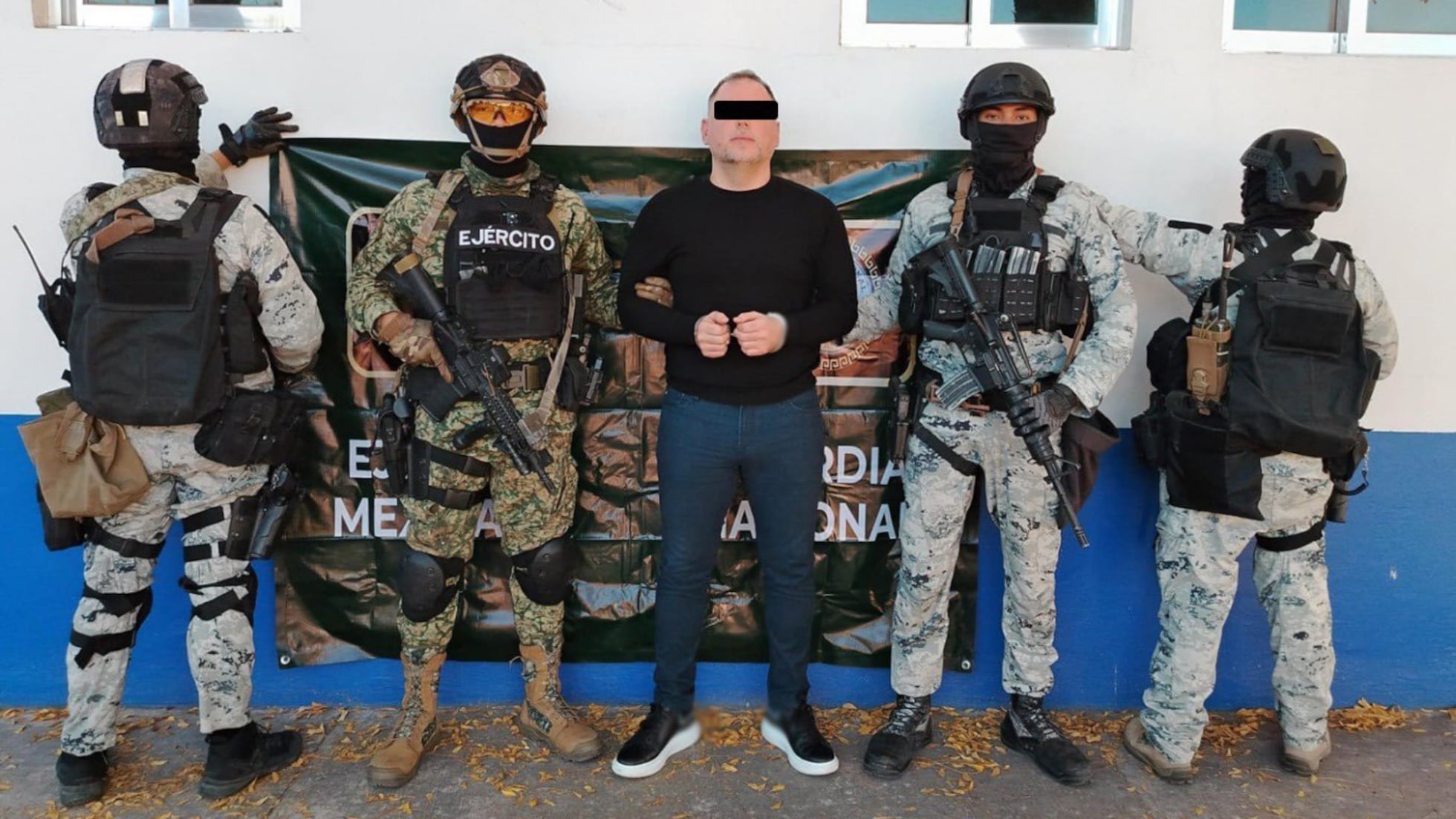
The fragmentation of the Sinaloa cartel underscores a broader transformation in organized crime. Traditional codes of loyalty have been replaced by ruthless survival instincts and ego-driven power grabs, amplified through social media and experimental alliances that reshape Mexico’s criminal landscape and inject unprecedented instability.
Meanwhile, political leaders remain largely silent or overwhelmed. Bruised municipalities strike precarious deals with violent factions just to stay afloat. Security institutions are compromised or impotent, unable to protect citizens as cartel battles escalate and law enforcement confronts increasingly militarized, high-tech enemies.

The battle for Sinaloa’s future is no longer fought in shadows but unfolds online and in public broadcast. The Chapitos’ direct threats against Trump symbolize a growing boldness with global implications. How the US government responds now may determine whether this conflict spirals further, dragging cross-border violence to new heights.
As cartel brutality escalates and alliances redraw Mexico’s criminal territories, the cost falls heavily on innocent civilians, regional stability, and international relations. The civil war inside Sinaloa is a brutal bloodletting with no immediate end, signaling a dangerous new chapter in Mexico’s decades-long battle with organized crime.
Immediate steps from regional governments and international partners are critical to stem this surge in violence. Without coordinated intervention, the melding of cartel powerhouses like CJNG and Los Chapitos threatens to entrench a war economy that extends beyond drugs, destabilizing entire communities and cross-border trade routes.
The terrifying spectacle of headless bodies and public executions streamed online reveals a cartel war turned media campaign, where terror is weaponized not just on streets but through digital platforms, rewriting the rules of engagement and sowing fear on an unprecedented scale across North America.
As factions vie for domination, the tragic human cost deepens daily. Disappearances, forced displacements, and the erasure of once-thriving communities grow with every clash. Mexico’s most violent cartels have morphed into hybrid militarized networks, challenging traditional law enforcement and demanding urgent, innovative responses.
This unraveling of Mexico’s criminal underworld spells a volatile future. Los Chapitos’ defiant provocations and El Mayo’s paramilitary alliances mark an irreversible escalation. The stakes extend beyond Mexico’s borders, thrusting the US into uncharted counter-narcotics territory that demands vigilance, strategy, and cross-border cooperation.
All eyes now turn to Washington and Mexico City as the world watches a bloody saga unfold. The consequences of ignoring these violent fissures are dire. Whether through renewed peace talks or harsher military crackdowns, the urgency to resolve this internal cartel war has never been clearer or more critical.